Personal choices / Analysis
Moving to Phuket: the everyday reality behind the holiday photographs
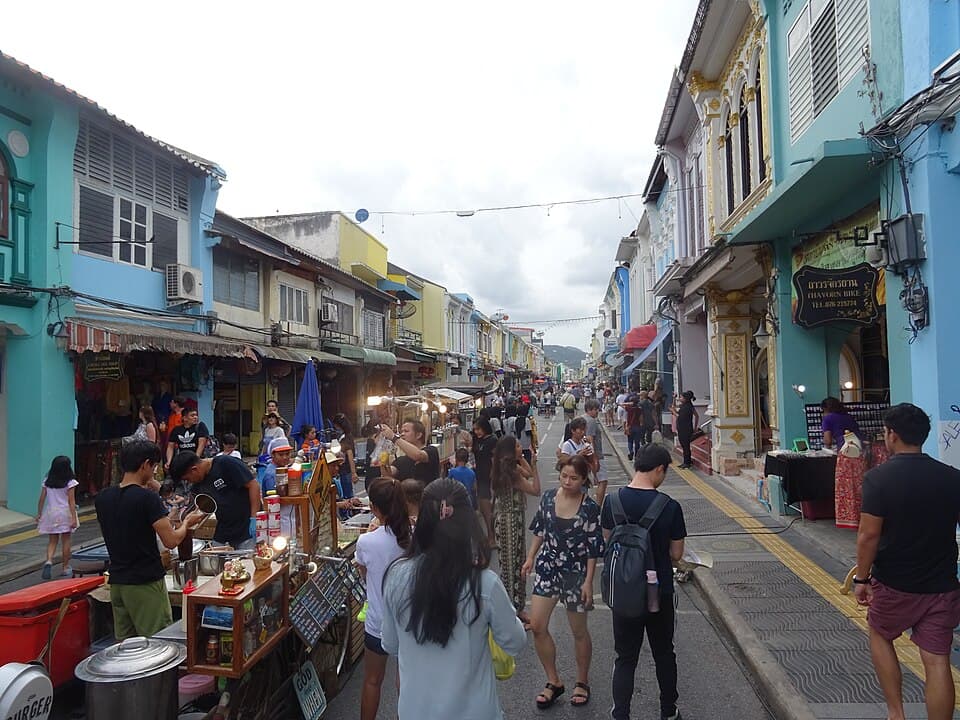
A holiday tests whether you like the sea. Moving tests whether you like Tuesday. Complete with a work call, groceries, traffic and an air conditioner that has decided to take the day off. I would judge the island by Tuesday. It is usually more honest than a sunset.
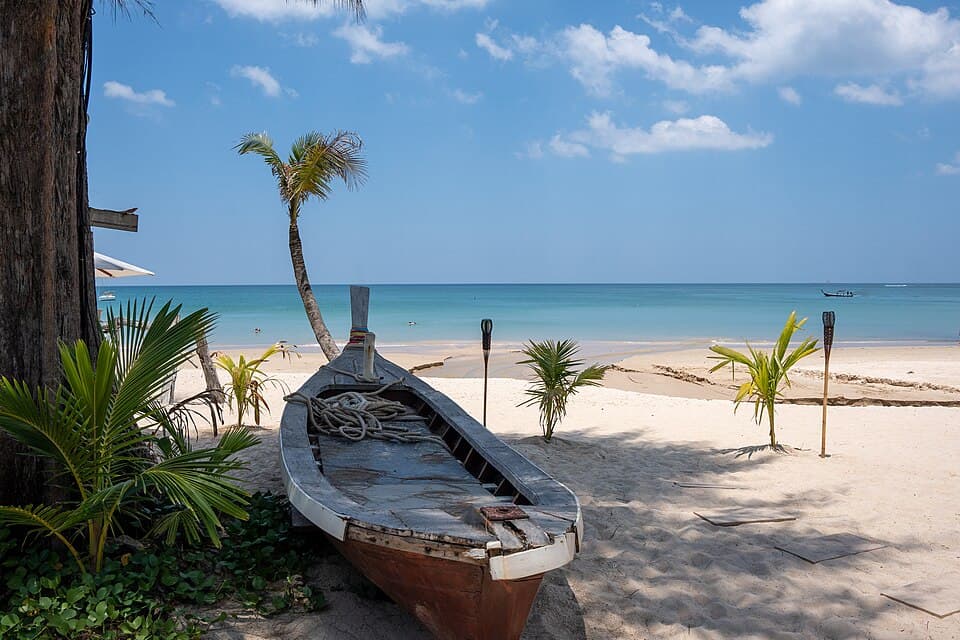
Test Phuket as a place for ordinary life: on your own budget, with real journeys and work commitments. A 14-day trial is a suggested way to gather information about your needs, not a universal relocation standard.
Four places where expectations meet numbers
| Expectation | A measurable check |
|---|---|
| “Everything will be nearby” | Time the journeys to work, school and shopping when you will actually make them |
| “Life by the sea will be cheaper” | Build a monthly budget from actual offers, including transport and school |
| “The weather will always feel like a holiday” | Compare your dates with climate data and test the home in rain |
| “We will sort the documents out there” | Confirm your permitted duration and conditions before paying for a long lease |
The June 2026 Numbeo snapshot puts a one-bedroom apartment outside the centre at around 15,640 baht. It is a user-contributed aggregate, not a promise of a suitable home beside your school at that price. A starting point helps; the actual lease will be more specific. source ↗
Similarly, WHO’s national estimate of 25.4 road traffic deaths per 100,000 people in Thailand in 2021 indicates a serious road safety concern. It does not measure the risk of your individual journey and is not a 2026 Phuket statistic. Transport still belongs in the relocation decision. source ↗
My suggested test: two ordinary weeks
There is no need to turn an exploratory visit into a survival test. Keep your normal working routine and stop treating yourself quite so much like a hotel guest. Buy groceries, do the laundry, run errands and see how that rhythm suits you.
| Days | Task | What to record |
|---|---|---|
| 1–3 | Set up everyday routines | Connectivity, noise, sleep and grocery access |
| 4–7 | Live through working days | Travel time, expenses and workspace comfort |
| 8–10 | Try a different area | Differences in routes and total cost |
| 11–14 | Repeat the awkward parts | What was a one-off and what keeps happening |
Five notes at the end of the day are enough: spending, travel, sleep, work productivity and whether you would like to repeat the day. The last one is subjective, and that is fine. Moving is not a dissertation, although a table sometimes comes in very handy.
Calculate the full price of convenience
Suppose apartment A costs 8,000 baht less per month but adds 6,000 in transport and 40 minutes of travel each working day. Over 22 days, that is 14 hours and 40 minutes for the remaining 2,000-baht saving. All figures here are example inputs. Use your own: the conclusion may change.
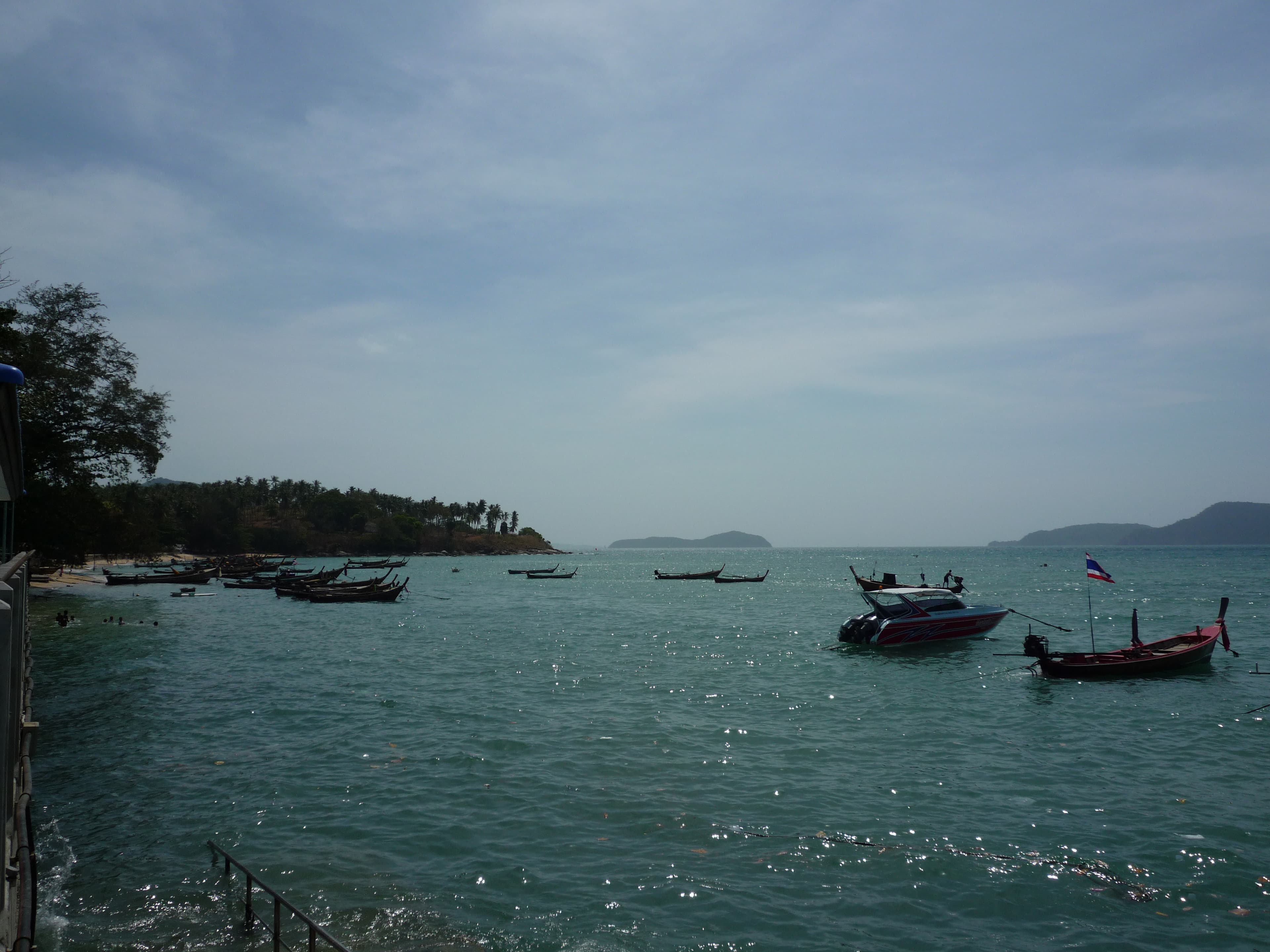
A sea view makes you happy at the window. A convenient neighbourhood keeps doing so when you have to leave the house.
Weather also belongs in everyday planning. Phuket’s climate normals give September 350.4 mm of rain and February 24 mm. A dry-season scouting trip does not show how the drainage outside your gate handles a wetter period. source ↗
There is a meaningful difference between “inconvenient” and “not right for me”. Finding a replacement for a favourite delivery service may take a week. Persistent dependence on a car when you do not want to drive is a more substantial mismatch.
Compare neighbourhoods without a magic happiness formula
Choose five criteria and allocate 100 importance points between them. For example: travel 30, budget 25, home 20, surroundings 15 and beach 10. Score each area from 1 to 5 using your own checks. Multiply each score by its weight, add the results and divide by 100. This compares your options; it is not an objective ranking of the island.
- Before scoring, list your non-negotiables: affordable rent, maximum commute, required school and permission to live with a dog.
- Remove options that fail those essentials: an attractive total score cannot fix them.
- Compare the remaining areas and test the biggest compromise again.
- Decide on the way of life first, then on a long lease or purchase.
My conclusion is simple: you do not have to like absolutely everything about the island. Its limitations need to be acceptable to you, and its advantages need to work on ordinary days. That is more sustainable than asking a place to feel like a permanent holiday.
Useful to know
Frequently asked questions
Are two weeks enough to decide whether to move?
They provide a useful first test of journeys and daily life, not the experience of a full year. Account for seasonality and the limits of a short visit before a long commitment.
Should I choose the neighbourhood or apartment first?
Start with daily routes and essential requirements, then the apartment. A beautiful interior does not shorten a regular commute.
Can I assess neighbourhoods objectively?
You can measure your costs and travel times. The importance of quiet, beach access and surroundings remains personal, which is why you set the weights in this model.
Behind the story
Data and sources
Facts are linked to sources. Budget scenarios and editorial calculations are labelled separately: they help compare options and do not promise a particular price.
- Numbeo · Cost of Living in Phuket ↗
Public price snapshot from June 2026. User-contributed sample, not official statistics or rental offers.
- WHO · Road safety in Thailand ↗
National 2021 estimates from the Global Status Report 2023. Not Phuket statistics for 2026.
- Thai Meteorological Department · Climate normals 1991–2020 ↗
PDF page 88 (printed page 82), PHUKET station 48564. Long-term monthly averages, not a forecast for a particular trip.
Prepared on 8 September 2026. Prices, schedules and rules can change; check the original source before paying or travelling.