Climate / Month by month
Phuket’s rainy season: what the numbers say and how to plan around it
“It rains all day in the rainy season” is a wonderfully simple statement. So is “the island is always sunny”. Both have one drawback: you have to live in the actual weather. Let us look at what you can know in advance and what even a very confident forecast cannot promise.
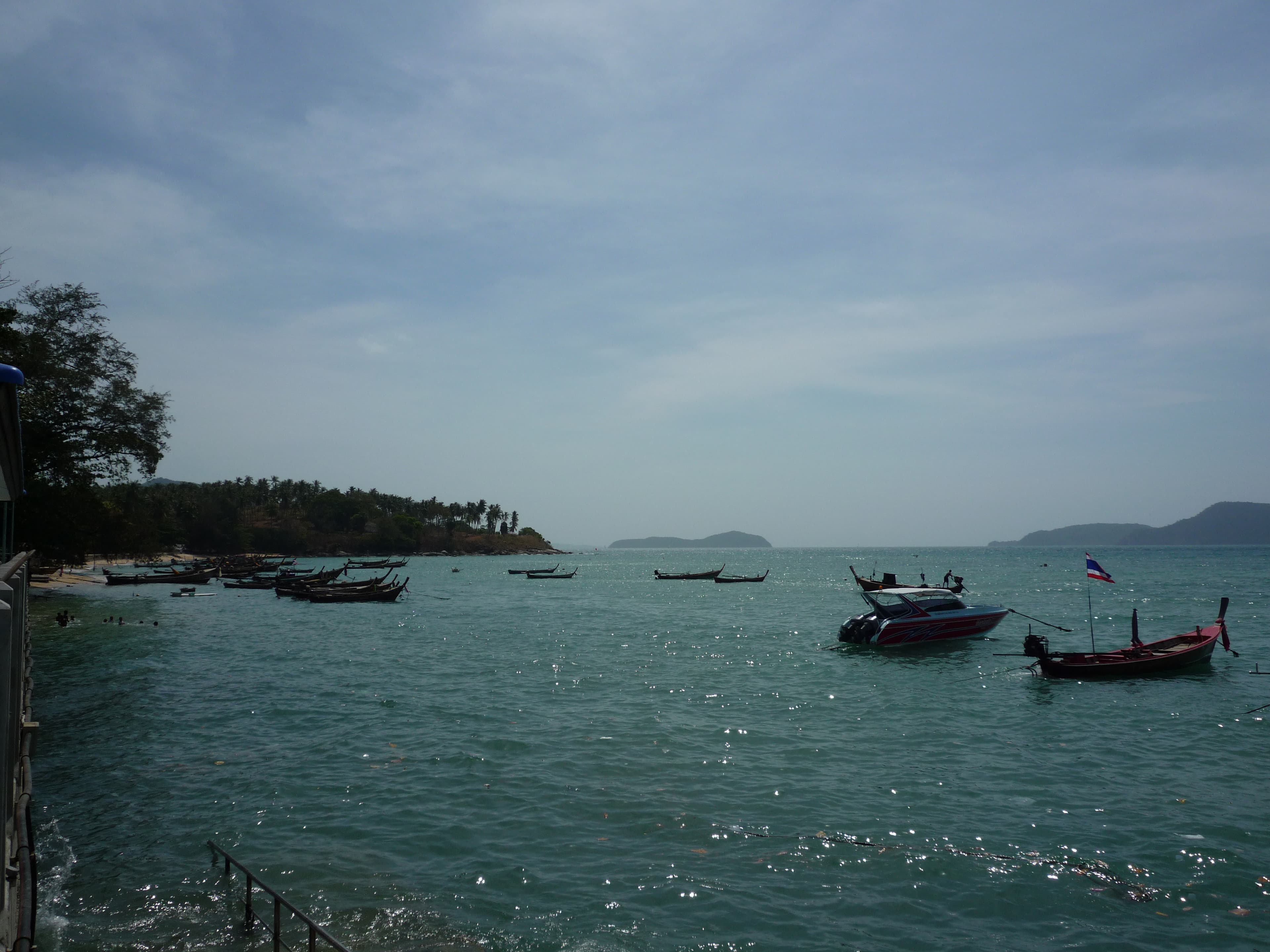
September and October have the highest rainfall totals in the Phuket station’s climate normals. Check the home, its access road and your alternative plans for the day. Assess sea conditions using current warnings and flags at the beach.
Rainfall in numbers: the month matters
Thai Meteorological Department’s 1991–2020 normals for Phuket station 48564 give annual average rainfall of 2,271.5 mm. September accounts for 350.4 mm and February for 24 mm: a difference of approximately 14.6 times. These are climate statistics for one station, not a forecast for your address or travel dates. source ↗
View all values in a table
| Month | Rainfall, mm |
|---|---|
| January | 49.9 |
| February | 24 |
| March | 80.7 |
| April | 135.1 |
| May | 236.9 |
| June | 249.4 |
| July | 240.2 |
| August | 308.7 |
| September | 350.4 |
| October | 336 |
| November | 178.2 |
| December | 82 |
Phuket station, 48564 · Thai Meteorological Department. Not a weather forecast. source ↗
A rainy day does not mean 24 hours of uninterrupted rain. The average number of such days does help you judge how flexible your plans should be. A morning on the beach, an afternoon downpour and a dry evening can all fit into one day; nobody can guarantee that particular sequence.
| Month | Days with rain |
|---|---|
| February | 3.4 |
| May | 18.9 |
| September | 21.7 |
| October | 22.7 |
| December | 10.3 |
Check where the water goes
Covered parking suddenly looks more attractive than a second decorative pool. At a viewing, I would check for leaks around windows, musty cupboards, balcony drainage and the route from the gate to the main road. Even a spectacular rendering rarely shows where the water goes.
- Ask to see the home after rain, or request a recent continuous video.
- Ask the manager about flooding at the property and on its access road; compare the answer with neighbours’ accounts.
- Check air conditioning, ventilation, clothes-drying space and who must fix leaks under the lease.
- Keep an alternative exit route in mind: one low-lying street can complicate life in an otherwise dry home.
Municipal flood-prevention work in 2026 confirms that this is a practical island concern. But a report about cleared drains is not a safety assessment of a particular villa. The address still needs checking. source ↗
Beach weather and safe sea conditions are separate questions
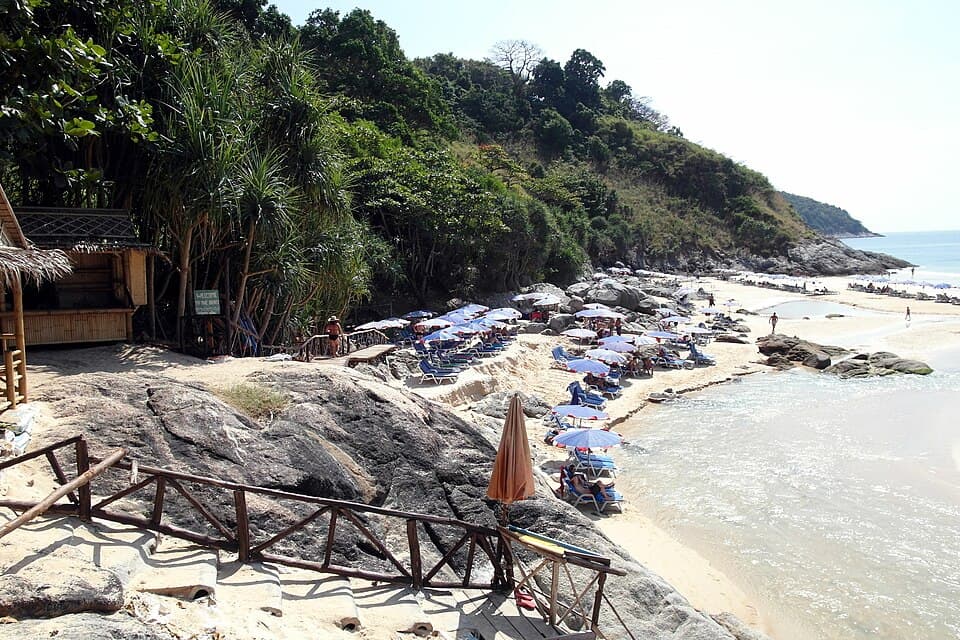
Sunshine over the beach does not cancel a dangerous current. Use current warnings, lifeguards’ instructions and beach flags to decide about swimming, rather than the likes on today’s sunset photograph. TAT specifically reminds visitors about red flags on Phuket’s beaches. source ↗
Before paying for a boat excursion, check its bad-weather cancellation terms. A day with a rigid, non-refundable itinerary can cost your nervous system more than one with an alternative. Plans with children particularly benefit from being able to swap a beach visit and an indoor activity.
How I would put the trip together
| Task | Practical approach |
|---|---|
| Choose dates | Use climate normals for general expectations; consult TMD forecasts closer to travel |
| Choose accommodation | Check access, leaks and distance to daily essentials |
| Book an excursion | Read the weather-related rescheduling and refund terms |
| Plan the day | Have one outdoor option and one under cover |
Compare a rental discount with extra transport costs and the home’s convenience. An assumed saving of 5,000 baht disappears with 20 additional journeys at 250 baht each. That is a worked example, not an average taxi fare. The weather need not be perfect; the budget should be honest.
Before going out, check the local forecast and warnings from the west-coast meteorological centre. Climate normals answer “what can I generally expect?”; an operational forecast helps with “what should I account for now?” source ↗
Useful to know
Frequently asked questions
Which month has the least rain in Phuket?
In the Phuket station’s 1991–2020 normals, February has the lowest monthly rainfall, at 24 mm. That does not guarantee dry weather in a particular February.
Is September a reasonable time to visit Phuket?
It can be, if you are comfortable changing beach and boat plans. September is the wettest month by rainfall total in the cited normals, at 350.4 mm.
Is swimming safe when it is not raining?
A lack of rain does not mean the sea is safe. Follow the flags, warnings and lifeguards’ instructions at the particular beach.
Behind the story
Data and sources
Facts are linked to sources. Budget scenarios and editorial calculations are labelled separately: they help compare options and do not promise a particular price.
- Thai Meteorological Department · Climate normals 1991–2020 ↗
PDF page 88 (printed page 82), PHUKET station 48564. Long-term monthly averages, not a forecast for a particular trip.
- TMD · Southern-West Coast Meteorological Center ↗
Official west-coast meteorological centre: forecasts and climate data.
- The Phuket News · Flood prevention works ↗
Municipal preparations for rain in 2026. Not a flood-risk map for individual properties.
- Tourism Authority of Thailand · Phuket ↗
Official island overview and reminder about beach flags.
Prepared on 8 September 2026. Prices, schedules and rules can change; check the original source before paying or travelling.